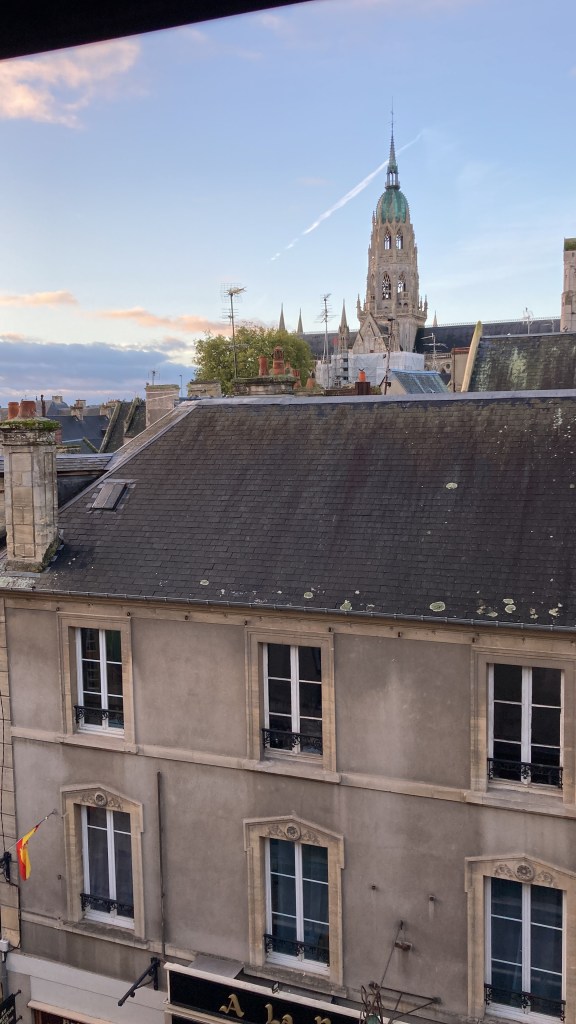
The view from my Airbnb. Since the bells still work in the belfry, I never lost track of time.
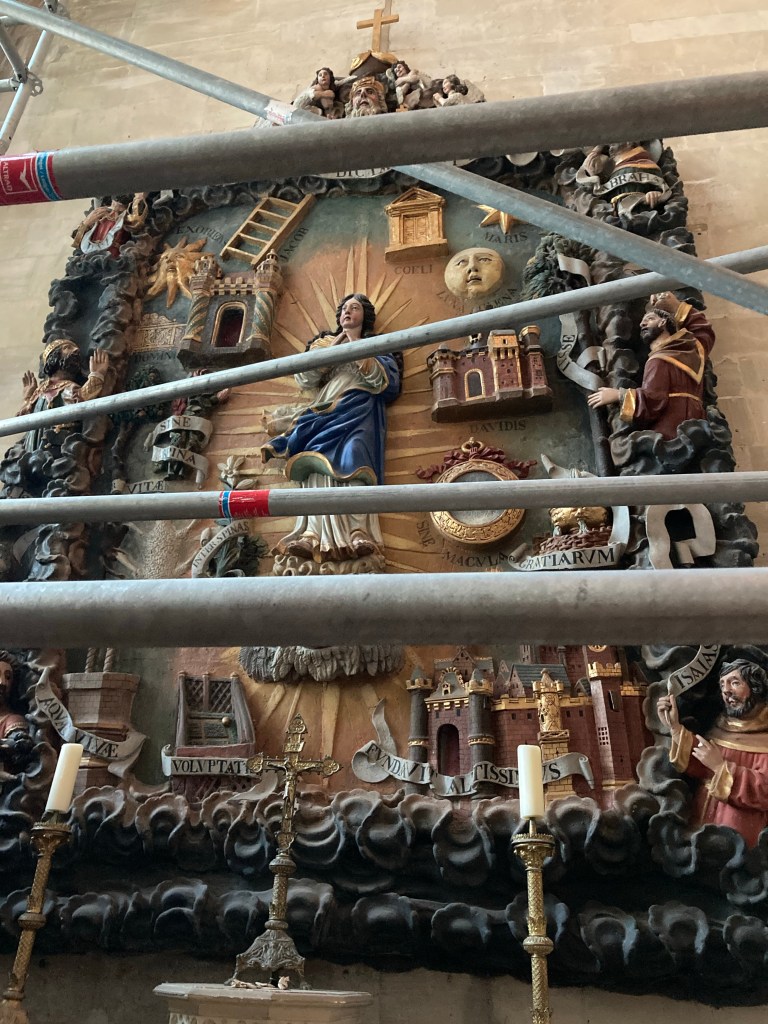
I definitely was not supposed to be in this part of the cathedral, due to it being under construction or repairs or somesuch. But this gorgeous wood carving drew me in! So really, it’s Mother Mary’s fault.
The tomb of William the Conqueror. They keep him in a cage now, I guess because the French really do not want the monarchy to return, especially as a zombie.
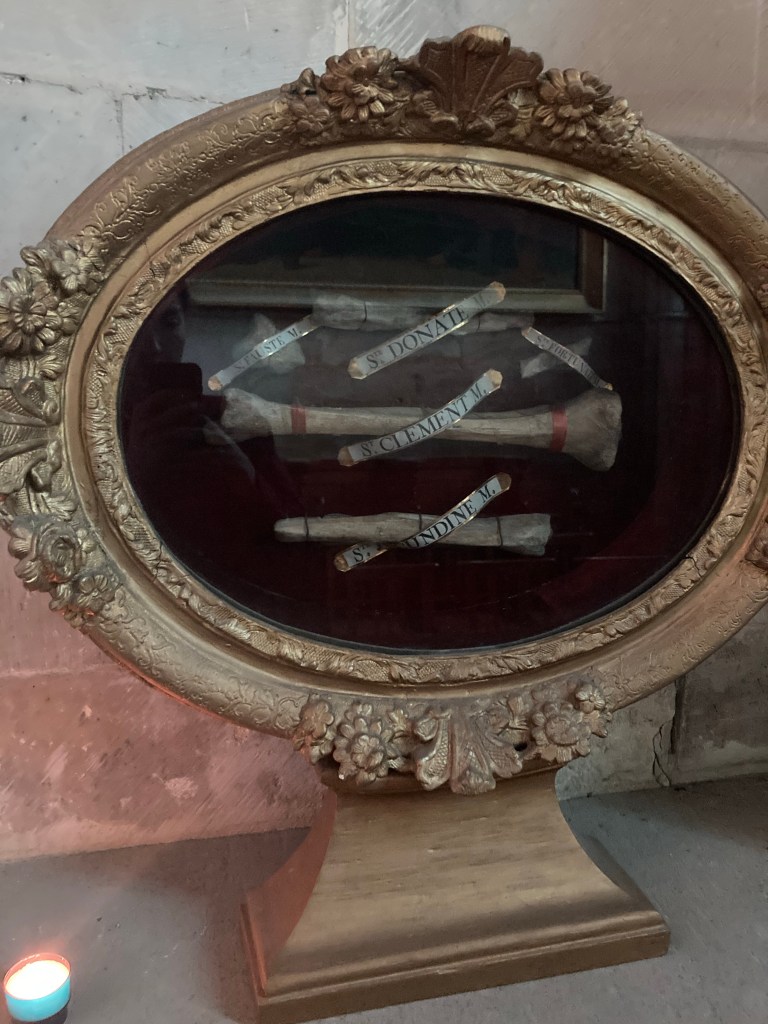
This may seem a little bizarre to any non-Catholics reading. This is called a reliquary, or a special container for artifacts that are believed to have belonged to a saint. Usually, those artifacts are body parts. Check out that big bone in the middle: this cathedral is claiming to have the leg bone of Saint Clement.
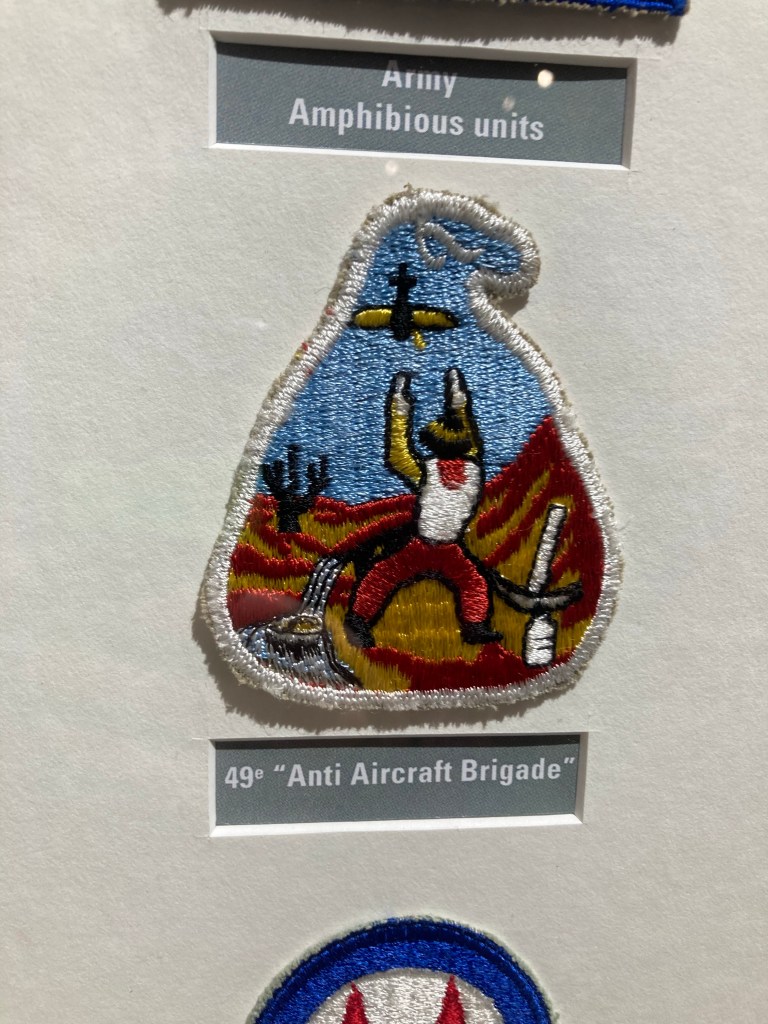
I went to a D-Day museum near Bayeux (pretty common around these parts). I thought this was pretty funny; a patch worn by the American anti-aircraft brigade during Operation Overlord, featuring a soldier throwing two middle fingers up at a plane. Gets the point across!
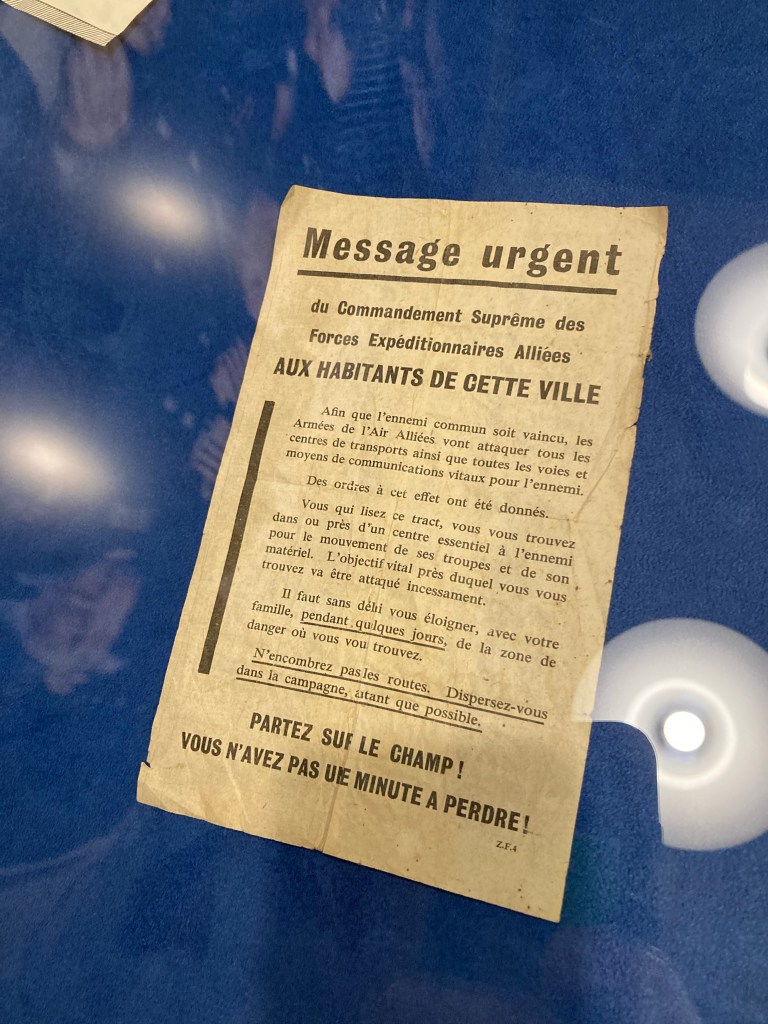
Allied forces flew over populated areas of Normandy and dropped these leaflets. It’s a warning to escape as soon as possible; bombing would begin within days. “Leave for the countryside! You haven’t a minute to lose!”
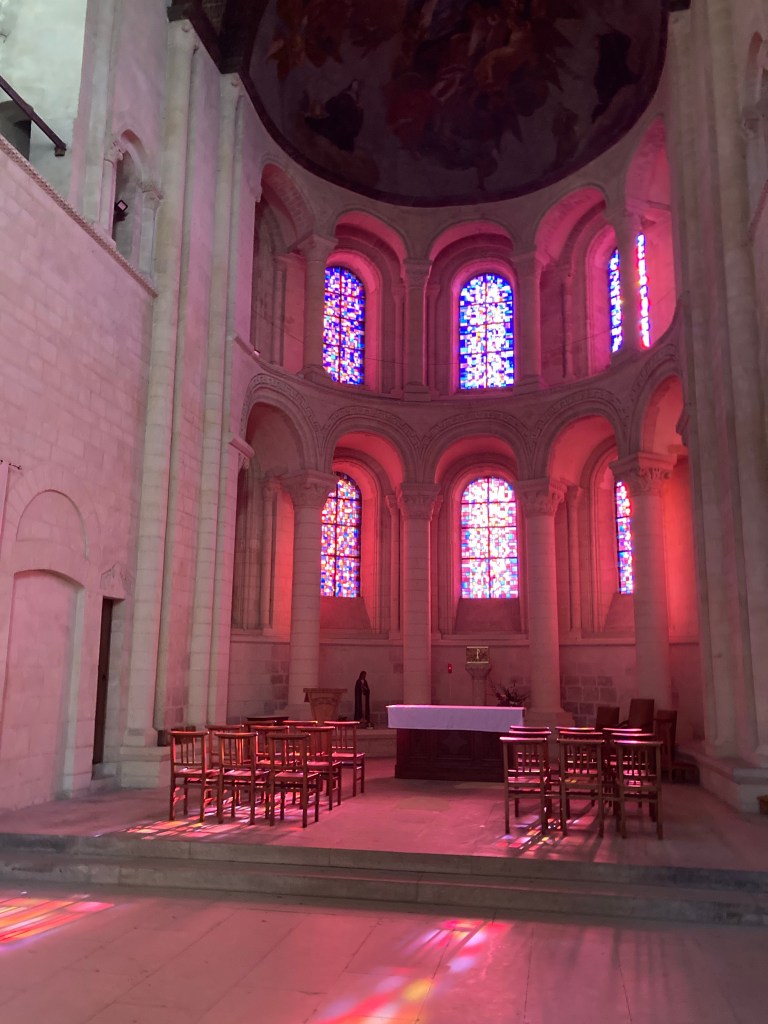
William the Conqueror’s wife, Queen Mathilde, was also his niece. The pope opposed their marriage, since the relation was too close. They really needed pope approval, so they built two cathedrals as a sort of apology. The Abbaye-aux-Hommes, or Men’s Cathedral, is where William is now buried. The Abbaye-Aux-Dames, or Women’s Cathedral, as seen above, is where Mathilde is buried. His and hers incest apology churches.
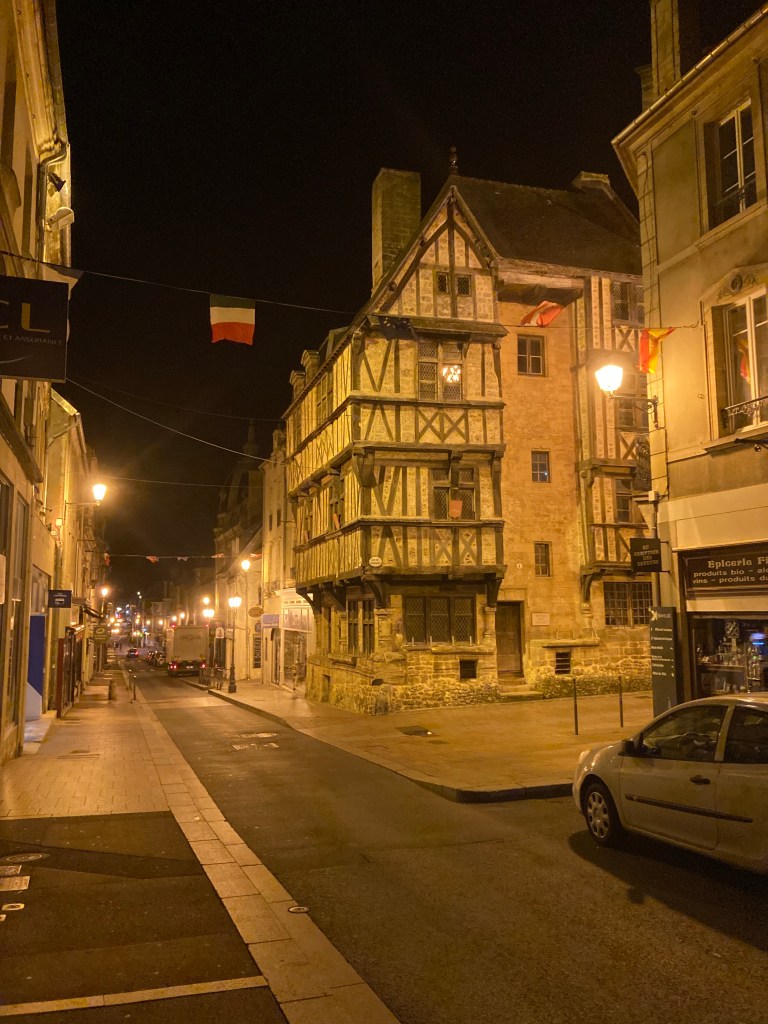
Bayeux, 7 in the morning. The time change makes it look like midnight.
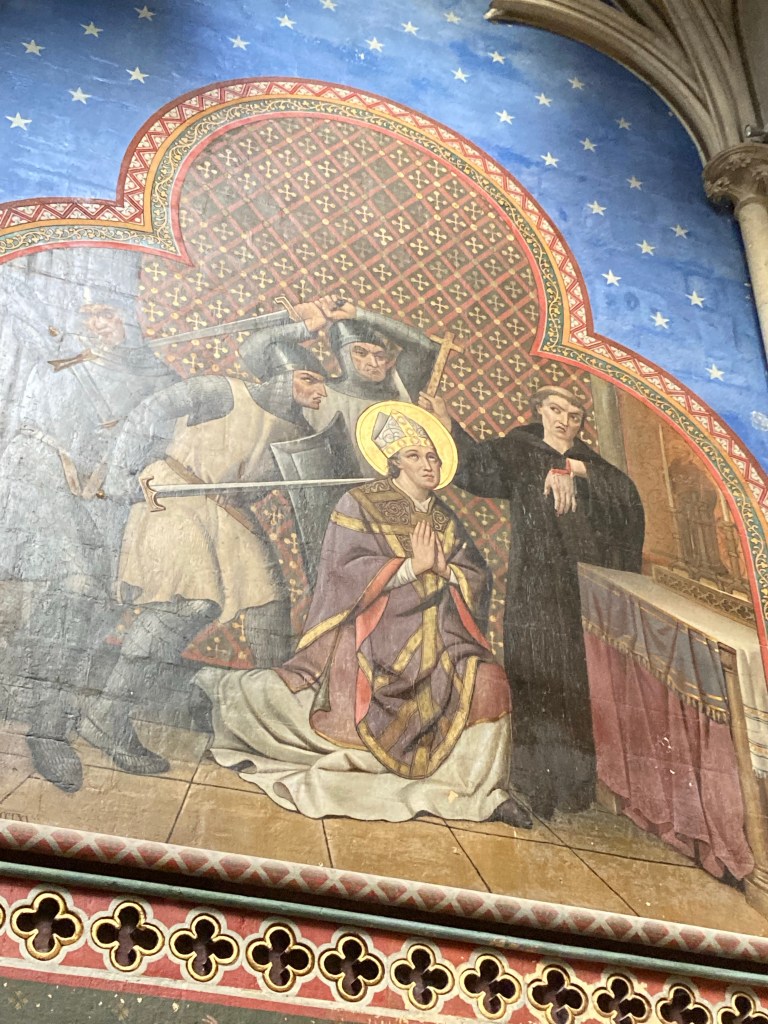
Not sure about the exact circumstances here, but using my incredible talent of intuition, I can tell that the monk is unhappy about his hand being chopped off.
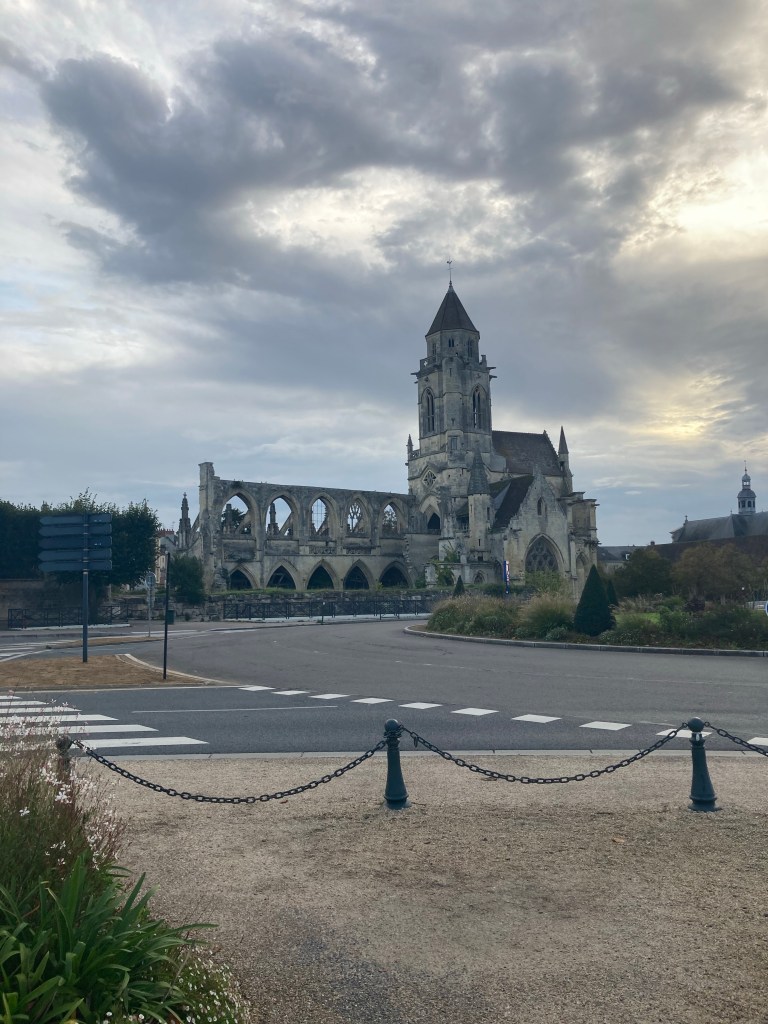
The town of Caen was the heart of the destruction, loss, and upheaval experienced during the struggle for control between the German and Allied forces in the north of France. Volunteer emergency services quickly realized that buildings marked with a red cross would be spared from bombing; after running out of paint, the makeshift hospital soaked surgical drapes in blood and laid them out on the lawn. This cathedral, now ruins, was where the refugees stored food until the Nazis destroyed it.


 Flan in France